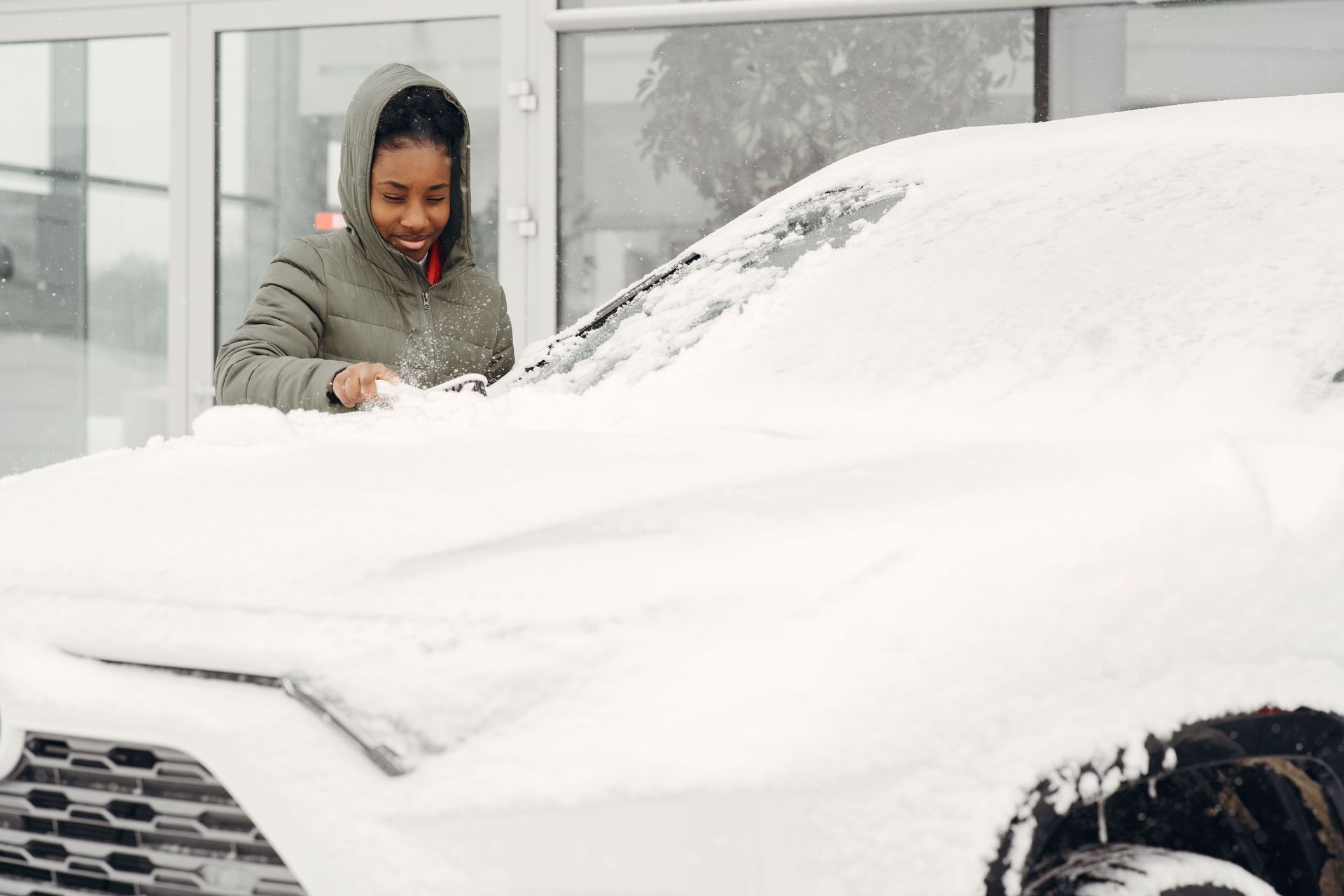


Winter Safety Tips for Kids
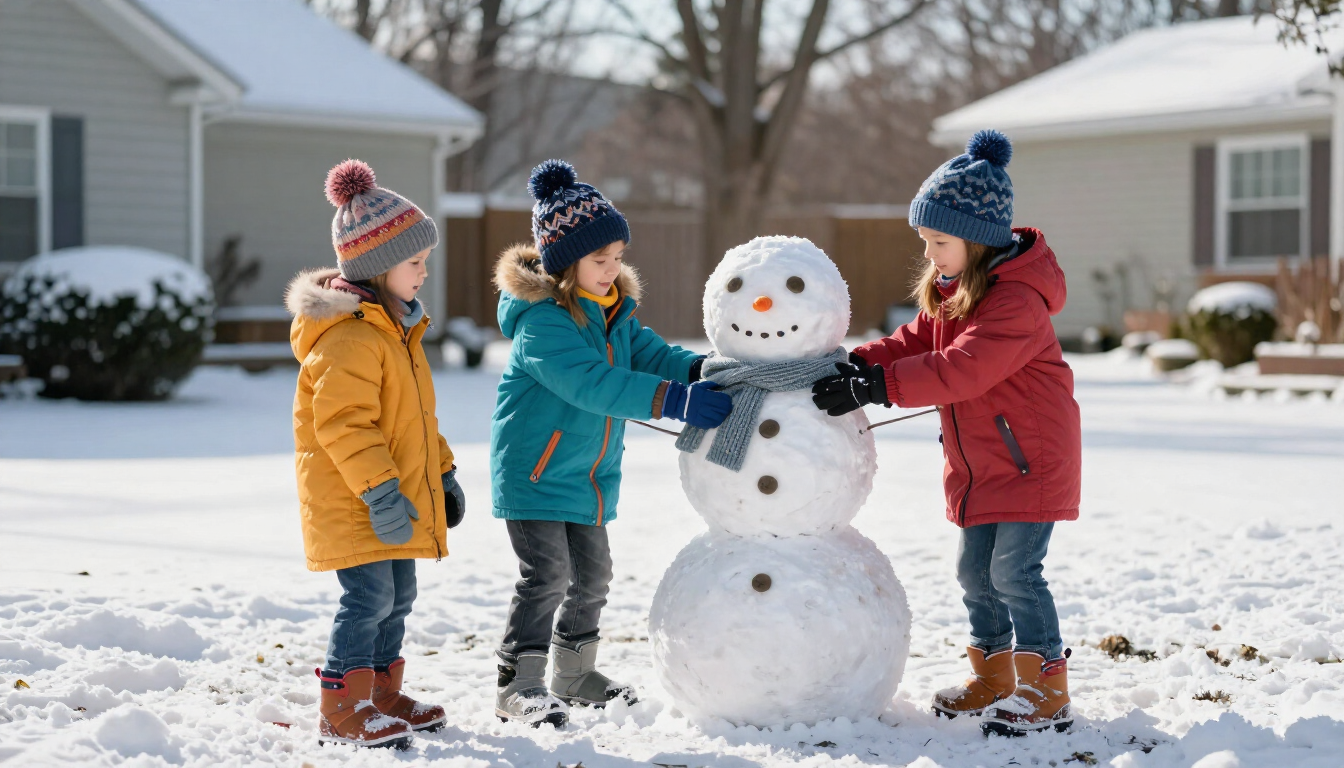
Winter safety for kids means keeping children warm, dry, visible, supervised, and protected from winter hazards. Dress them in warm layers, use sunscreen, avoid bulky coats with carseats, supervise snow play, prepare your vehicle, and know when cold or fever symptoms require medical advice.
How should you dress kids for winter?
Dress children in several comfortable, breathable layers rather than one bulky garment. A practical system includes:
- A moisture-wicking base layer
- A warm middle layer, such as fleece
- A weather-resistant outer layer
- A hat that covers the ears
- Waterproof mittens and insulated boots
- Warm, dry socks with room for comfortable movement
Check your child’s neck, chest, or back—not just their hands—to judge whether they are comfortable. Sweating, heat rash, unusual tiredness, or irritability may mean they are too warm. Shivering, pale skin, numbness, or confusion may signal that they need to go indoors immediately.
Infants and young children cannot always explain that they are cold. Check them frequently, especially during extended outdoor activities. Remove wet clothing promptly and replace it with dry layers.
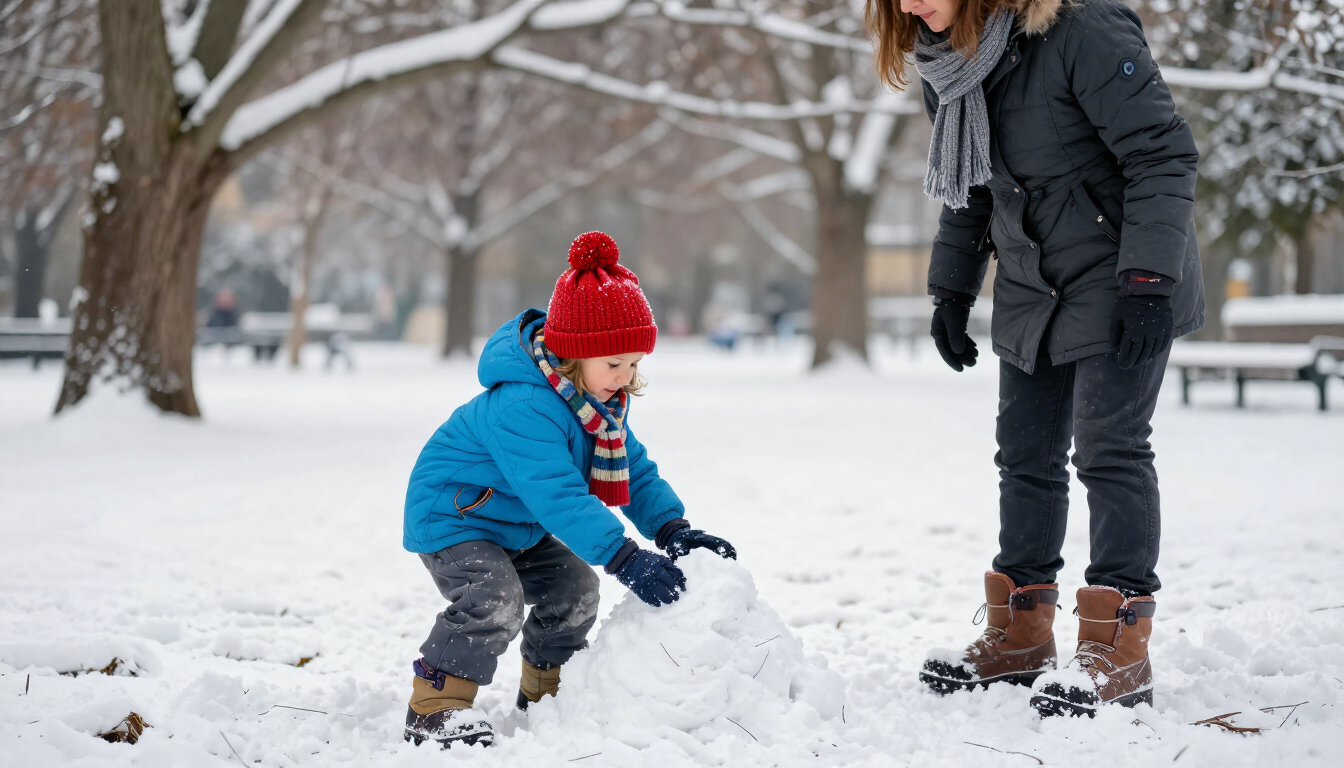
Why do children need sunscreen in winter?
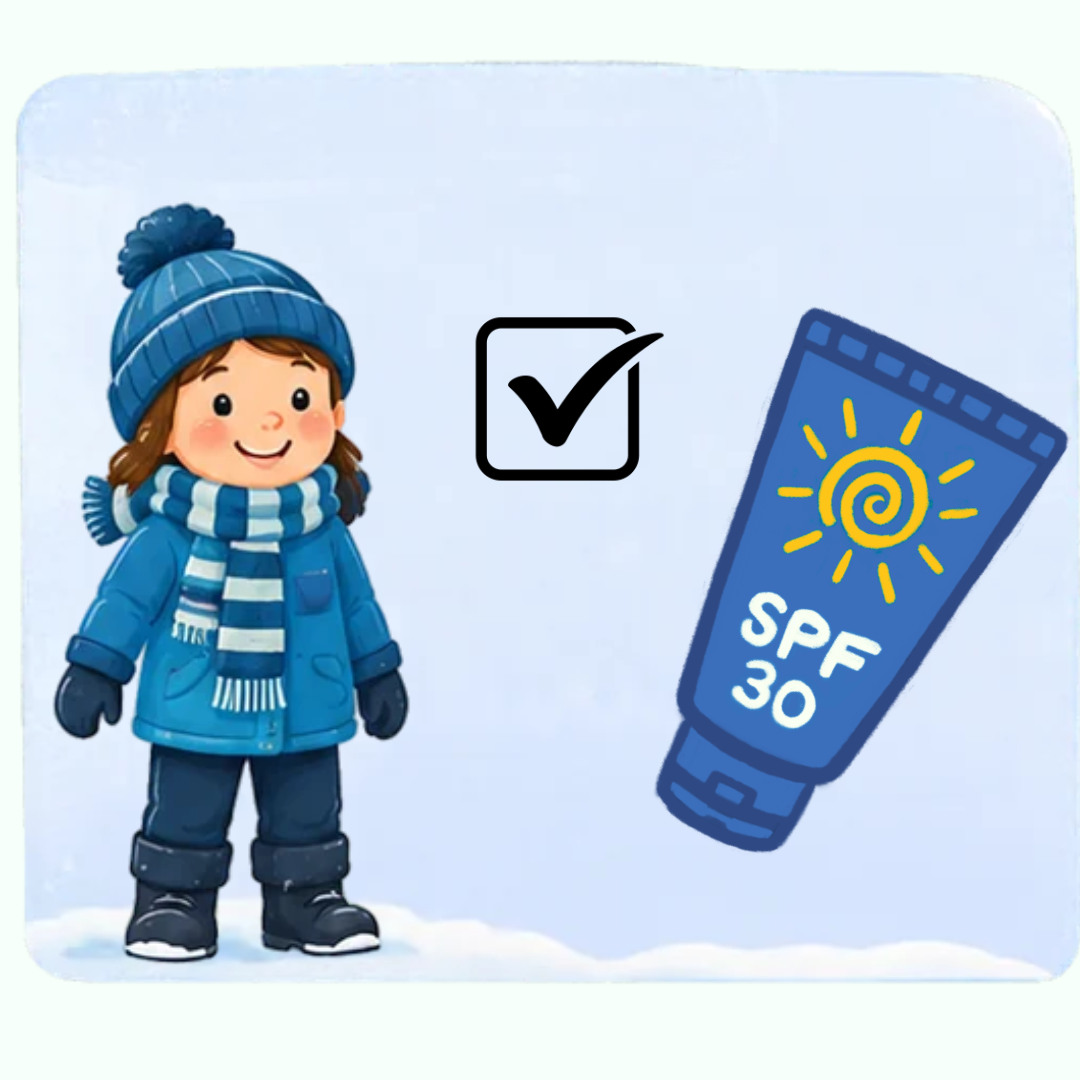
Sunscreen is still important on cold, bright days. Snow can reflect ultraviolet light, increasing exposure to the face, ears, and lips. Apply broad-spectrum sunscreen with SPF 30 or higher to exposed skin before outdoor play. Reapply as directed, particularly after sweating or wiping the face.
Protect children further with sunglasses or goggles that block ultraviolet rays, a brimmed hat when practical, and lip balm with SPF. Cloud cover does not eliminate ultraviolet exposure, so make sunscreen part of your winter routine for skiing, sledding, hiking, and long periods in the snow.
How can parents use car seats safely in winter?
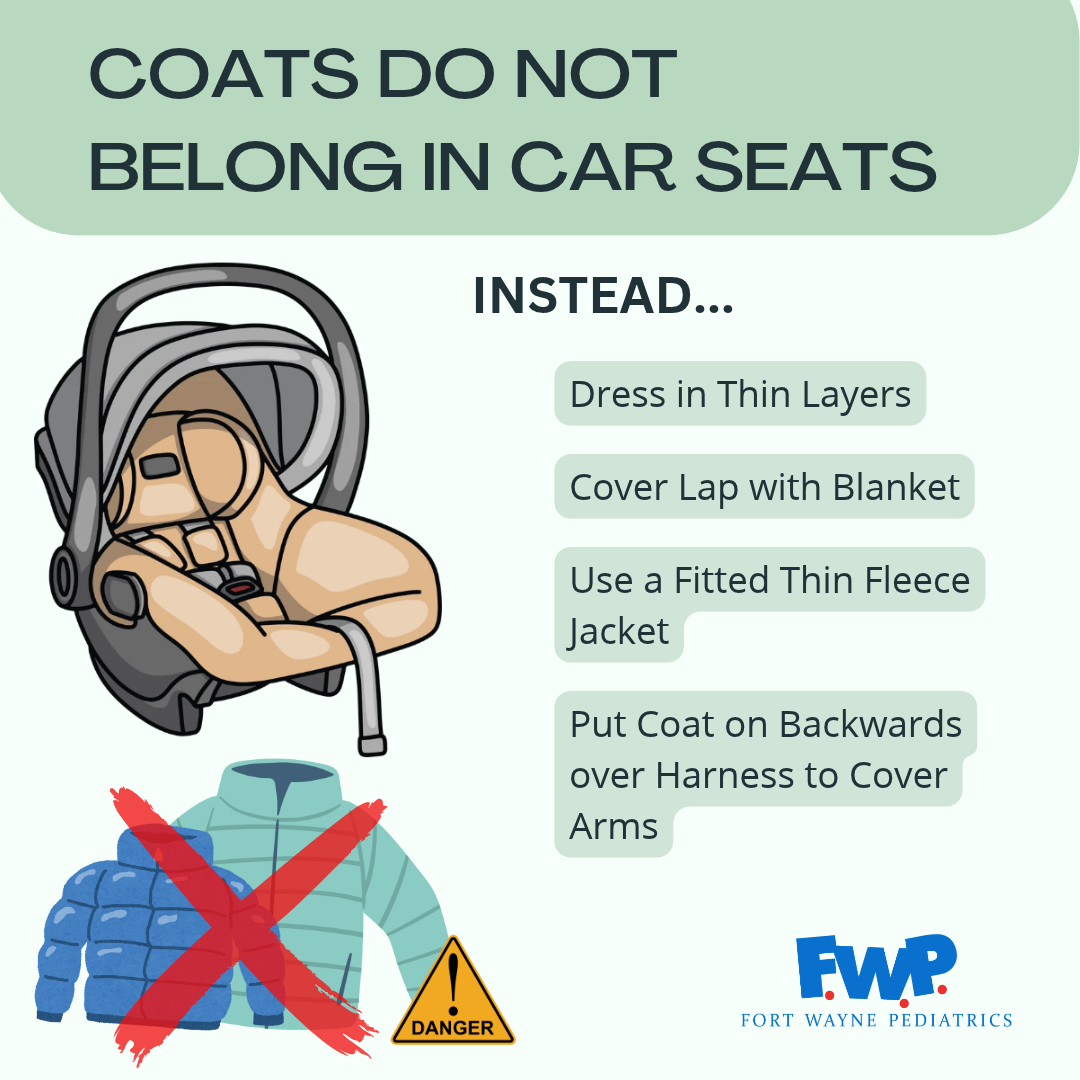
Never buckle a child into a car seat while they are wearing a thick coat, snowsuit, or puffy jacket. Bulky clothing can compress during a crash and leave the harness too loose to protect the child properly.
Instead:
- Dress your child in thin, warm layers.
- Place them in the car seat and tighten the harness snugly.
- Add a blanket over the secured harness, keeping fabric away from the child’s face.
- Remove extra blankets if the child becomes overheated.
Do not place aftermarket covers, padding, or thick inserts beneath the child unless they are approved by the car-seat manufacturer. Fort Wayne families can learn more through our Car Seat Checks .
Safe snow play and sledding
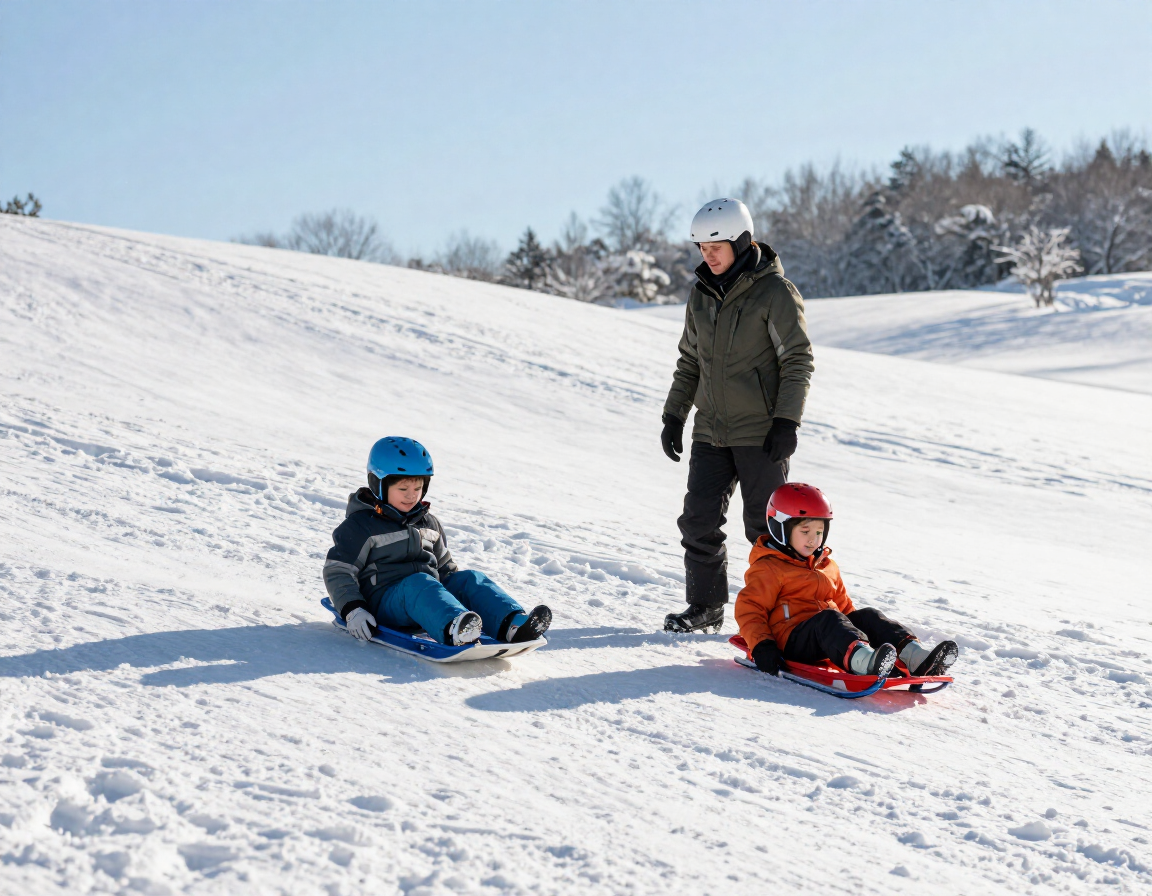
Snow play can be fun exercise, but children need active supervision. Before sledding, choose a designated hill away from roads, parking areas, trees, fences, and bodies of water. Check the slope for hidden obstacles and confirm that children can stop or steer safely.
Use a well-fitting helmet for sledding, snowboarding, skiing, and other high-speed activities. Children should take turns, keep a safe distance from other sledders, and walk up the side of the hill rather than directly in the sledding path.
For younger children, stay close enough to intervene quickly. Bring water indoors or outside, schedule warm-up breaks, and stop outdoor play when clothing becomes wet. Never leave children unattended near thin ice, snowbanks, frozen ponds, or parked vehicles.
How do you winter-proof your car?
A prepared car can help your family manage delays, breakdowns, and changing weather. Before winter travel:
- Check tire pressure and tread, battery condition, antifreeze, lights, wipers, and windshield-washer fluid.
- Keep the fuel tank reasonably full.
- Store blankets, extra clothing, water, snacks, a flashlight, de-icer spray for locks/lug nuts if frozen and a first-aid kit.
- Pack a phone charger, backup battery, scraper, snow shovel, in case of emergency.
- Clear snow and ice from the entire vehicle, including windows, lights, mirrors, hood, and roof.
Keep children away from moving vehicles, snowplows, and idling cars. Never warm up a vehicle in a garage, even if the garage door is open. Carbon monoxide is odorless and can become dangerous quickly.
Common colds, coughs, and winter fever
Colds are common in winter and usually improve with rest, fluids, and time. Offer age-appropriate comfort measures and avoid giving children medication intended for adults. Use medicines only according to the label, your pediatrician’s instructions, or a trusted dosing resource such as Medicine Dosages . Our Cold Medicines information can also help parents ask better questions.
Call your child’s pediatrician if symptoms are worsening, lasting longer than expected, interfering with drinking or breathing, or causing concern. Seek urgent care for trouble breathing, blue or gray lips, severe dehydration, unusual confusion, a seizure, a stiff neck, or a child who is difficult to wake.
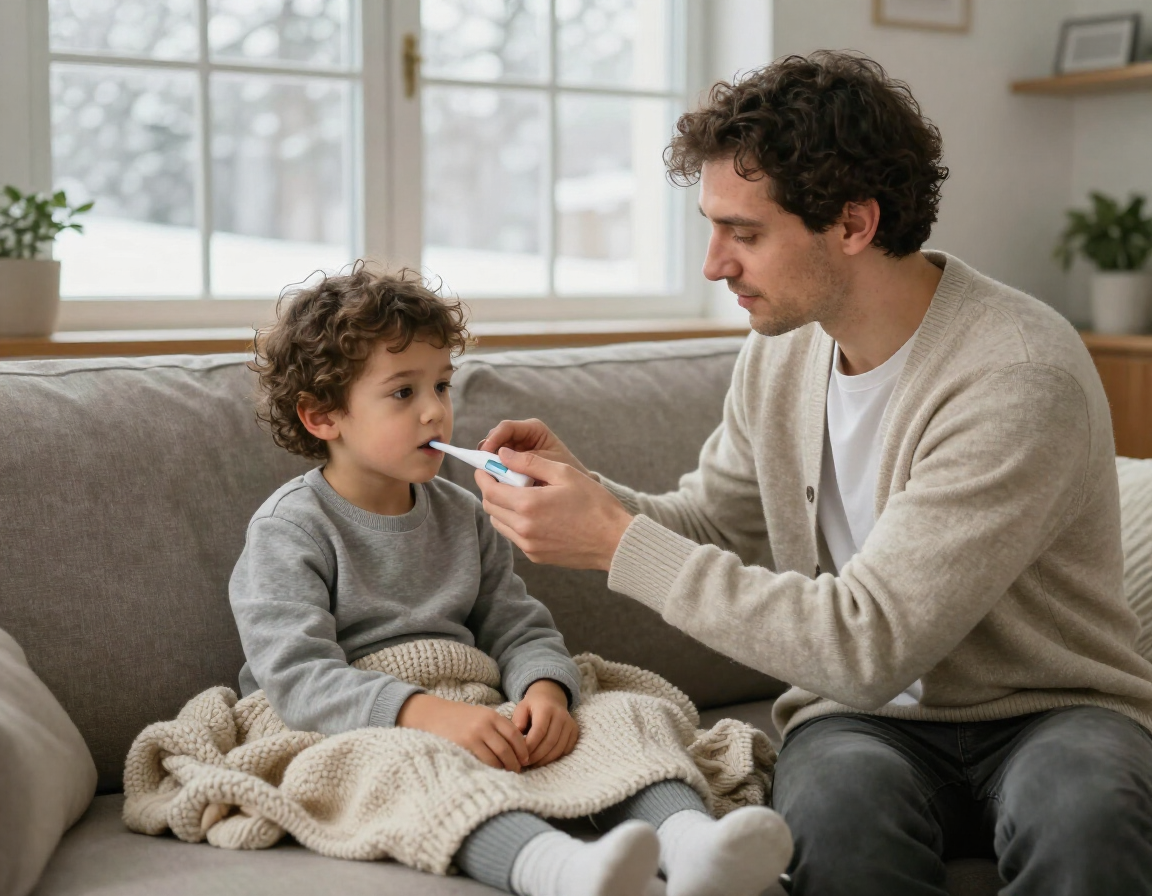
Fever is a symptom, not a diagnosis. Use a reliable thermometer and record the temperature, time, and any accompanying symptoms. Fever in a baby younger than 3 months requires prompt medical guidance. For older children, contact the office when fever is persistent, recurrent, unusually high, or paired with concerning symptoms. When in doubt, use our Sick Child Visits information or contact the practice.
A simple winter safety checklist
Before your child goes outside, ask:
- Are they wearing dry, warm layers?
- Are they removing all bulky coats before being buckled in the car seat? The harness is snug?
- Are exposed areas protected from sun and cold?
- Is the activity supervised and away from hazards/ponds?
- Are they wearing a helmet if sledding or doing other winter activities?
- Are they prepared if they happen to get stuck in a snow storm?
For more seasonal guidance, review Fort Wayne Pediatrics’ Healthy Winter Guide . You can also explore our Safety resources and After Hours information before winter illness or travel interrupts your routine.
Key takeaways for parents
Winter safety for kids is mostly about preparation and supervision. Use warm layers and dry clothing, apply sunscreen even when it is cold, and keep bulky coats out of car seats. Watch children closely around sledding hills, ice, roads, and snow equipment. Prepare your vehicle before severe weather and monitor cold symptoms or fever carefully. If your child has breathing difficulty, dehydration, altered alertness, or another emergency warning sign, seek immediate medical help. For non-emergency concerns, contact your pediatric care team and use trusted dosing and illness resources before giving medication.
You are now prepared for this winter season.