

Newborns
Newborn Care Begins From The Moment Your Baby Arrives
Our pediatricians understand the challenges of taking care of a newborn. They also provide the same gentle care they’d use for treating their family.
We provide specialized newborn care starting right in the hospital or within 1-2 days after discharge, ensuring your baby receives the best attention immediately. From there, we seamlessly transition to ongoing care as part of our comprehensive services, supporting your child's health and development every step of the way.
Fort Wayne Pediatrics also cares about your health and wellness and offers a variety of Community Classes for expecting parents and Postpartum Support Groups for after baby comes.
Our Doctors currently round at both Dupont Hospital and Parkview Regional Medical Center. (If you deliver elsewhere, another Provider will evaluate your baby in the hospital, and we will follow up with baby on baby's 4th day of life.)
Mama's Monkey's Toddler Time - TUESDAYS 10am-11am
Mama Bear Moods Group -
TUESDAYS 11am-Noon
Kangaroo Klub Mama's Feeding Support - THURSDAYS 1:30-2:30PM
All our classes and postpartum groups are free and open to the community (do not have to be a FWP patient). You are welcome to bring your other kids if needed (no childcare provided). Our community room is located in the office - 2810 Dupont Commerce Ct
Fort Wayne, IN 46825 (next to lab)
If you are struggling with being a new parent, you are not alone.
Learn more about Postpartum Mental Health and go to our Mama Bear Support Group - Tuesdays 11am-Noon.
Newborn Resources
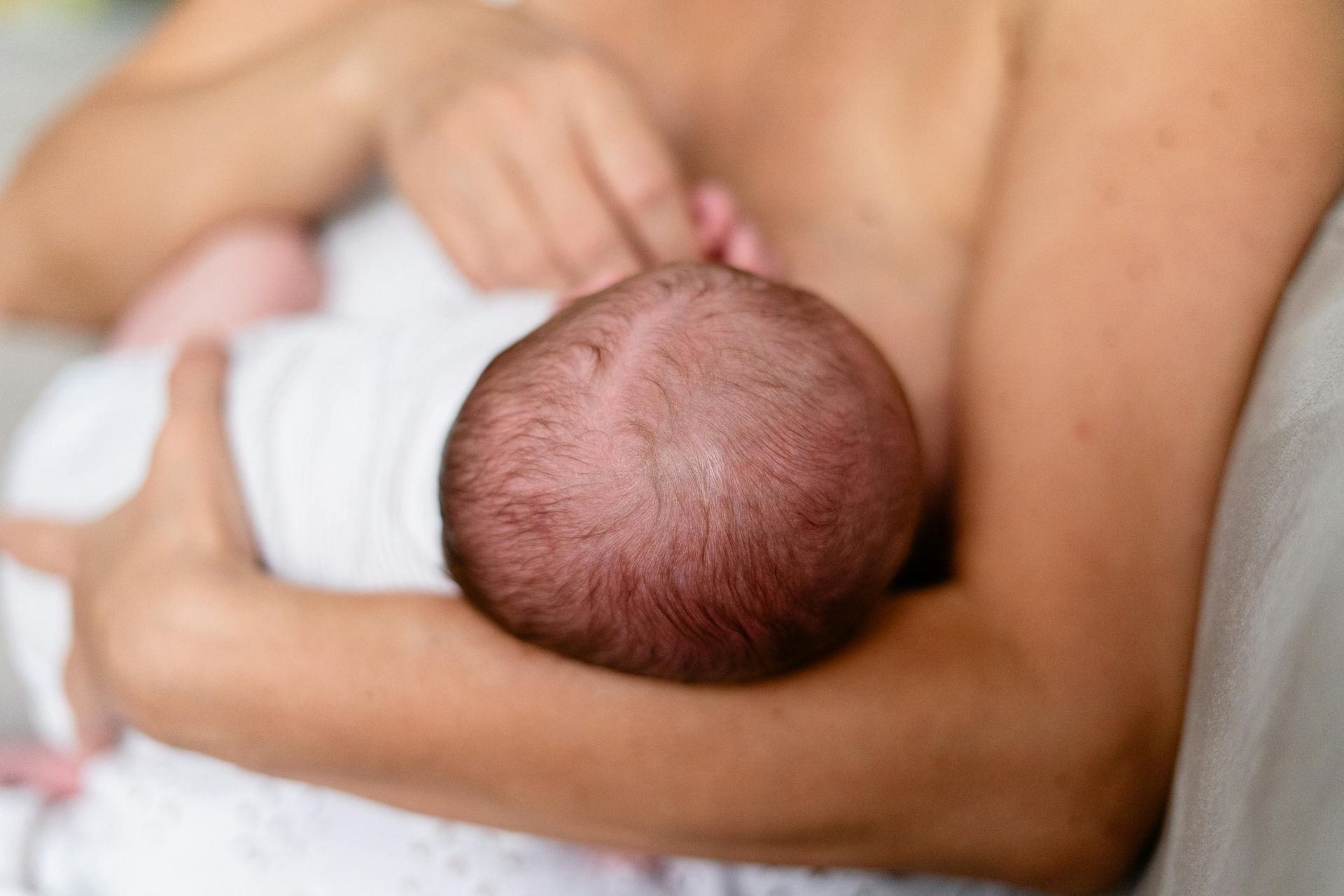
We have our very own Lactation Consultant and Feeding Specialist Nurse in our office for any of your infant feeding concerns.
Breastfeeding Support Group Meets Thursdays (Kangaroo Klub) 1:30pm-2:30pm free for any moms in the community.
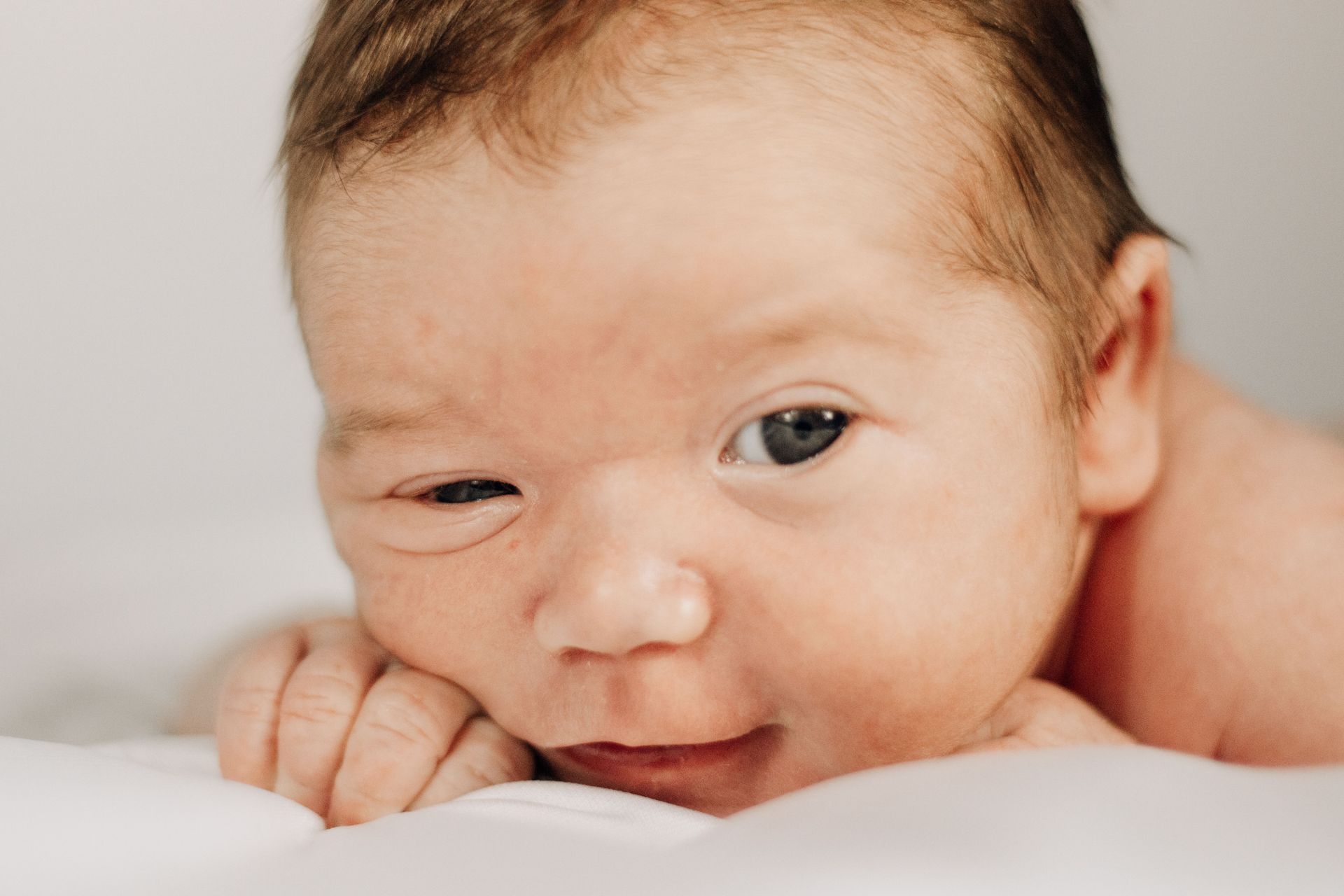
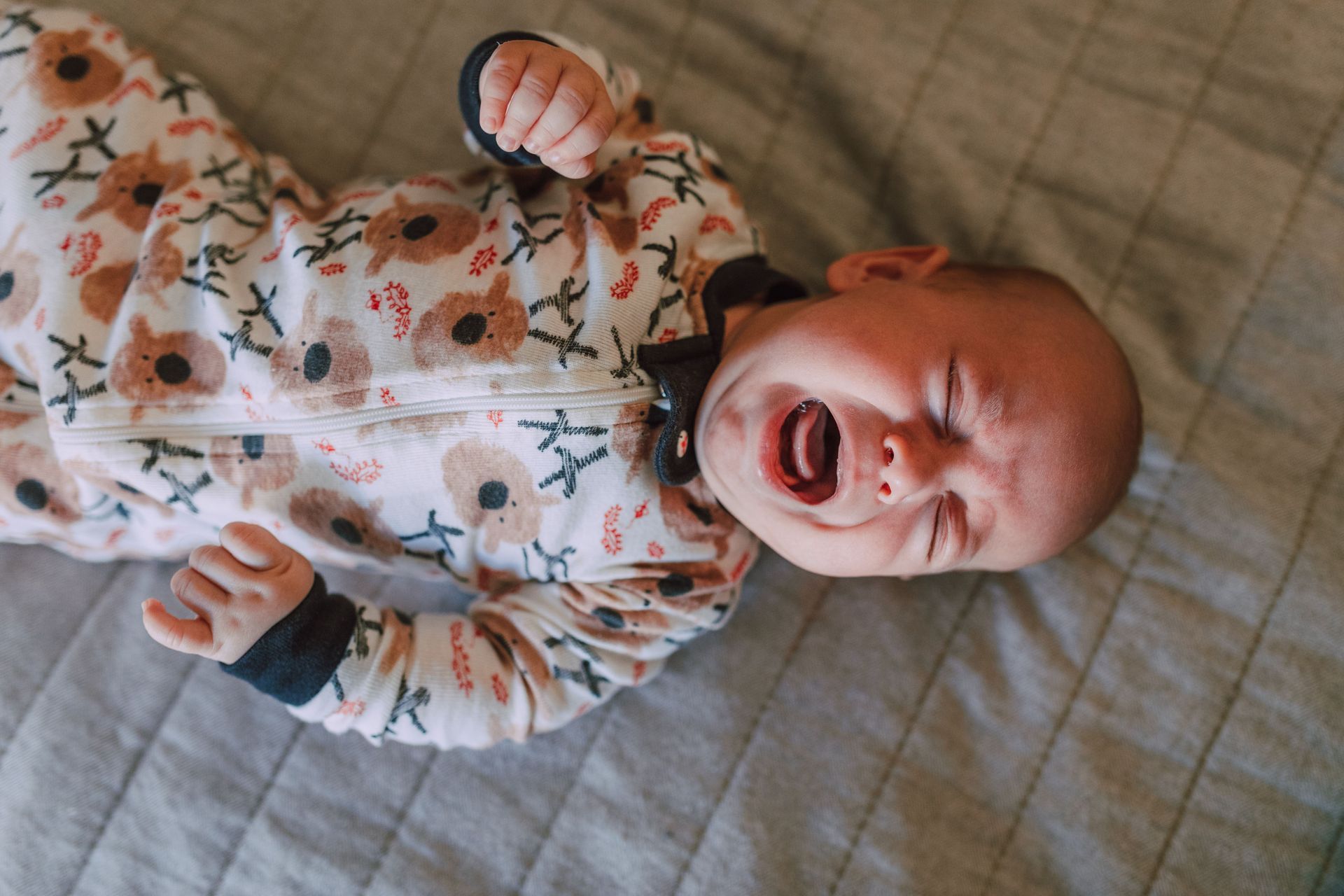
If your baby is running a fever of greater than 100.4 degrees Fahrenheit, rectally (stick in just metal tip into their bum) in the first 2 months. Please call the Pediatrician right away/make your way to the nearest emergency room if after hours.
Other concerns would be baby having breathing difficulties or baby looking yellow (jaundiced), and not waking up to eat, and not having pee or poop diapers in the first week of life.
Newborn Care FAQs
Your newborn's first checkup occurs just days after leaving the hospital. This comprehensive exam ensures your baby is growing and developing normally. During the visit, the pediatrician will:
- Check your baby's weight, length, and head circumference
- Assess feeding, bowel, and sleeping habits
- Conduct a physical examination, including an eye exam
- Perform a developmental evaluation
These checkups also provide an opportunity for you to ask questions. Whether you're unsure about bathing, facing feeding challenges, or concerned about sleep schedules, this is your time to address any concerns.
- Check your baby's weight, length, and head circumference
Some states screen for genetic and rare medical conditions, including 32 core and 24 secondary conditions. The goal is to identify and treat diseases early enough to prevent serious complications such as growth problems, developmental delays, intellectual disabilities, blindness, deafness, and seizures.
Within the first 24 hours after delivery, your newborn has a hearing screening, and blood is drawn from their heel to run the routine screening tests. Some states require the same procedure to take place at your baby’s two-week checkup.
Well-child visits are ongoing checkups for children that follow a specific schedule.
During each visit, your child's pediatrician will evaluate their growth, developmental milestones, and behaviors. If your baby needs routine blood draws, they can also be done in the office. Every well-child checkup is an opportunity to talk with your child's pediatrician about your child's health, growth, development, and wellbeing.
Your pediatrician will give immunizations at the two-month visit to protect your baby from:
- Polio
- Hepatitis B
- Rotavirus
- Diphtheria
- Haemophilus Influenzae
- Pneumococcus
Small doses of the same immunizations are repeated several times over the first 18 months to be sure your infant is fully immunized against contagious diseases.
- Polio